










Table of Contents
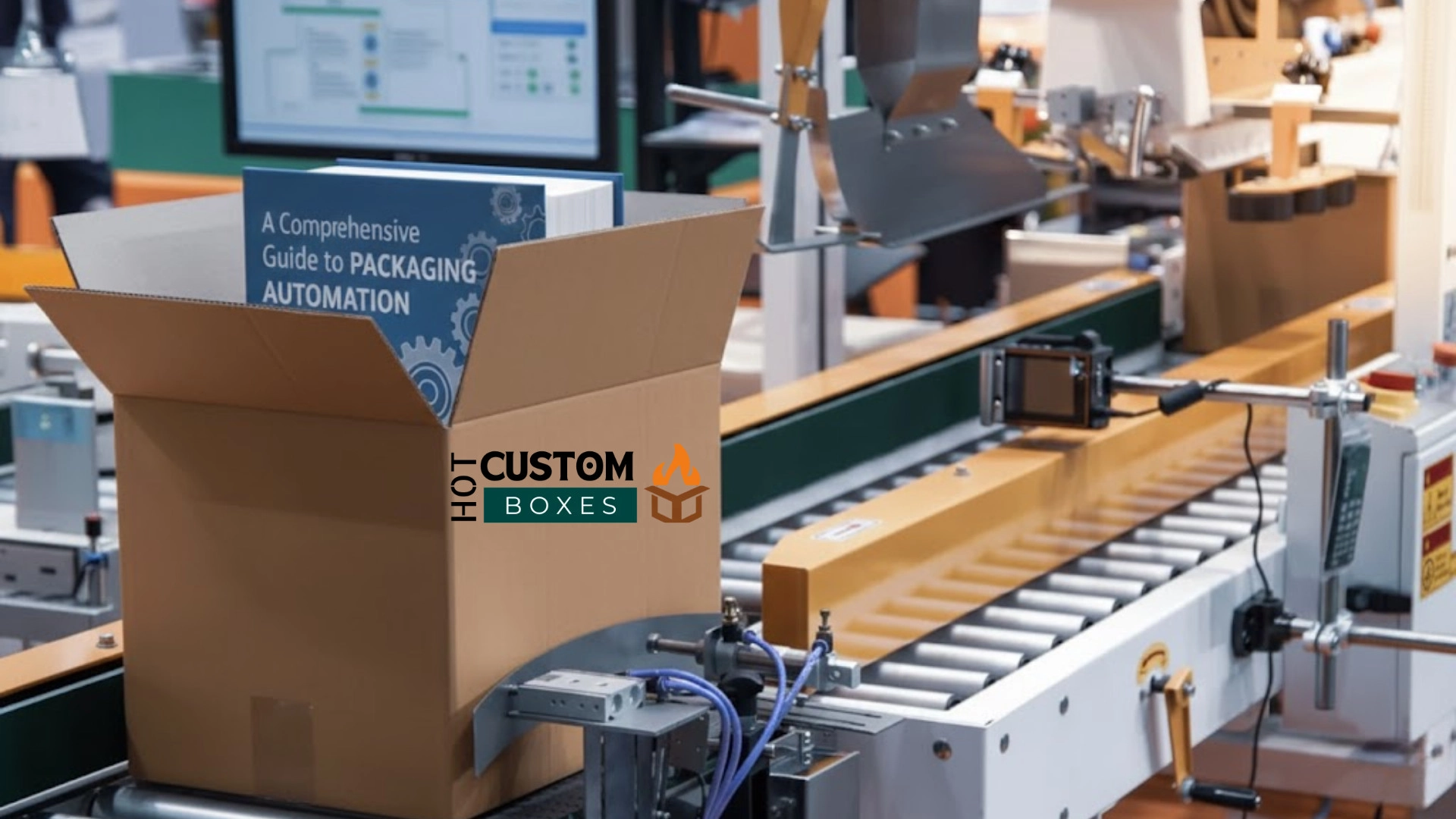
For modern businesses, speed matters. Accuracy matters more. Streamlining production, packaging, and shipping is no longer optional. It is a competitive requirement. Choosing the right packaging supplier is important. But packing products fast and correctly is just as critical.
Manual packing slows everything down. It needs more labour. It costs more money. It also increases human error. One mistake can delay the entire supply chain. This is why packaging automation is now a standard solution across industries.
Automation uses machines and robotics to handle packaging tasks. Products move faster. Handling becomes safer. Results stay consistent. Automated systems reduce logistics costs, improve workflows, and strengthen supply chain performance.
This guide explains packaging automation. It also explains why it is shaping the future of packaging in the UK.
What Is Packaging Automation?
Packaging automation means using machines instead of people for repetitive tasks. These tasks include filling, packing, sealing, and labelling.
Automated systems handle large volumes with minimal human input. Machines place products into boxes. They seal them. They stack them. Every step is fast and accurate.
Automation is ideal for eCommerce, logistics, retail, food, and pharmaceutical businesses. These industries depend on speed and precision. Automation removes delays, bottlenecks, and costly errors.
With robotics, sensors, and machine learning, automation keeps improving. Packaging operations become smarter. Faster. More reliable.
5-Step Packaging Automation Process Using Robotics
A robotic packaging process follows a clear structure.
- Products arrive first. Sensors and scanners identify them.
- Items are then sorted and aligned. Robotic arms handle positioning.
- Products are packed into boxes or containers. Cushioning is added if needed.
- Packages are sealed and labelled.
- Barcodes and branding are applied.
- Finally, automated checks confirm accuracy, weight, and seal quality.
This process delivers efficiency without sacrificing quality.
Role of Robotics in the Packaging Industry
Robotics are transforming packaging operations. Demand keeps growing. Businesses want more speed. More hygiene. More accuracy.
Robots handle repetitive work with consistency. Errors drop. Downtime reduces. Human involvement becomes minimal. This is critical in food and pharmaceutical packaging, where precision is non-negotiable.
Robotic systems also reduce contamination risks. Less human contact means safer products. However, full automation can be expensive for small businesses.
A smarter move is partial automation. Outsource custom packaging. Automate filling and packing instead.
This is where Hot Custom Boxes UK fits in. Their custom packaging works smoothly with automated systems. Businesses scale faster without heavy machinery investment.
5 Major Benefits of Automated Packaging Solutions
Automated packaging helps businesses work faster, make fewer mistakes, and grow. Companies in food, cosmetics, medicine, and retail use automation to stay competitive and meet customer expectations.
Improved Quality Control
Machines pack and seal products the same way every time. Sensors catch mistakes early, stopping damaged or wrong packages from reaching customers. This keeps products safe, which is very important for food, medicine, and personal care. Consistent packaging also builds trust. Customers notice neat, uniform products and feel confident in the brand. Fewer errors mean less rework, fewer returns, and better quality compliance.
Optimised Supply Chain
Automation speeds up packing, sealing, stacking, and shipping. Tasks that once took days can now finish in hours. Orders get delivered faster, keeping customers happy. Real-time inventory tracking helps avoid delays and ensures products are always ready to ship. Companies can react quickly to high demand or seasonal peaks.
Better Ergonomics and Space Efficiency
Manual packing takes many stations and lots of movement. Automation combines tasks, reducing strain on workers. Machines are compact and organized, saving space. Cleaner and safer warehouses lower risks and make work easier. Less clutter also reduces costs and keeps workflows smooth.
Sustainable Packaging Practices
Automation uses exact measurements and right-size packaging, cutting waste. Some systems can separate recyclable materials during production. Using eco-friendly packaging with automated systems helps companies reach sustainability goals. Businesses can reduce extra packaging, recycle more, and lower their environmental impact while keeping quality high.
Lower Logistics Costs
Automated packing lowers labor needs and reduces mistakes and waste. Faster processing moves products through the supply chain efficiently. This keeps costs down and protects profit margins. Businesses can deliver high-quality products faster, avoid shipping delays, and stay competitive while controlling labor and logistics expenses.
Types of Packaging Automation Machines
Packaging automation machines help make production faster. They reduce mistakes and improve how products look. Different machines are made for different needs, like liquids, solids, bottles, or flexible packs. Choosing the right machine depends on your product, packaging material, and how much you produce. Automation gives speed, consistency, and cost savings while reducing human errors.
Filling Machines
Filling machines put the right amount of product into containers. They can work with liquids, powders, capsules, or tablets. These machines are very accurate and help maintain hygiene. They are used in food, cosmetics, and medicine. Some machines use weighing, volumetric, or piston controls to reduce waste.
Filling machines save labor by doing repetitive tasks automatically. They can work with different container shapes, like bottles, jars, sachets, or tubes. Some machines also work with labeling and capping systems to make a full packaging line. A good filling machine keeps quality high and production fast.
Flow Wrapping Machines
Flow wrapping machines wrap products in films like plastic, paper, or laminated materials. They protect products from dust, moisture, and damage. This also makes products look neat and professional. They are used in retail and food industries for candies, biscuits, snacks, and bakery items.
These machines work continuously and feed products automatically, saving time and labor. Many machines can print labels, expiry dates, or logos directly on the film. This creates secure, attractive packages that protect products and help marketing.
Cartoning Machines
Cartoning machines fold cartons, put products inside, and seal the boxes. Horizontal cartoners are good for stackable items like bottles and jars. Vertical cartoners are used for delicate or irregular-shaped products. These machines are used in food, medicine, and personal care industries.
Cartoning machines make packaging consistent and reduce manual work. They can connect with filling, labeling, and wrapping machines to form a full packaging line. Using cartoning machines protects products, reduces damage, and increases efficiency.
Vacuum Packaging Machines
Vacuum packaging machines remove air before sealing packages. This keeps products fresh longer and extends shelf life. They are used for food like meat, cheese, coffee, and snacks. Vacuum packaging stops oxidation and bacteria growth. Machines work with plastic pouches, shrink films, or mylar bags.
Vacuum packaging makes products look professional and neat. It is important where hygiene and longevity matter. Some machines also do gas flushing, marinating, or automated sealing to add extra value.
Bottle Capping Machines
Bottle capping machines seal bottles quickly and tightly. They can be semi-automatic or fully automatic. These machines work with different bottle shapes like round, square, or custom designs. They follow safety and hygiene standards and are used in beverages, medicine, and personal care products.
Capping machines reduce labor and prevent leaks or mistakes. Advanced machines apply the right torque to avoid damaging the product. They can work with filling and labeling machines to create a complete automated line, increasing efficiency and quality.
Final Thoughts
Packaging automation is not a luxury anymore. It is necessary for modern businesses. It makes work faster, safer, and more accurate. It also lowers costs and mistakes. From filling and wrapping to cartoning and capping, automation helps every step of packaging. Robots and smart machines let businesses grow efficiently. They keep quality consistent and meet customer needs. Whether fully or partly automated, the right technology brings faster delivery, better product protection, and a strong advantage. Using automation today shapes the future of packaging tomorrow.