









Top 10 Product Packaging Design Trends for 2026
Home » Top 10 Product Packaging Design Trends for 2026
Table of Contents
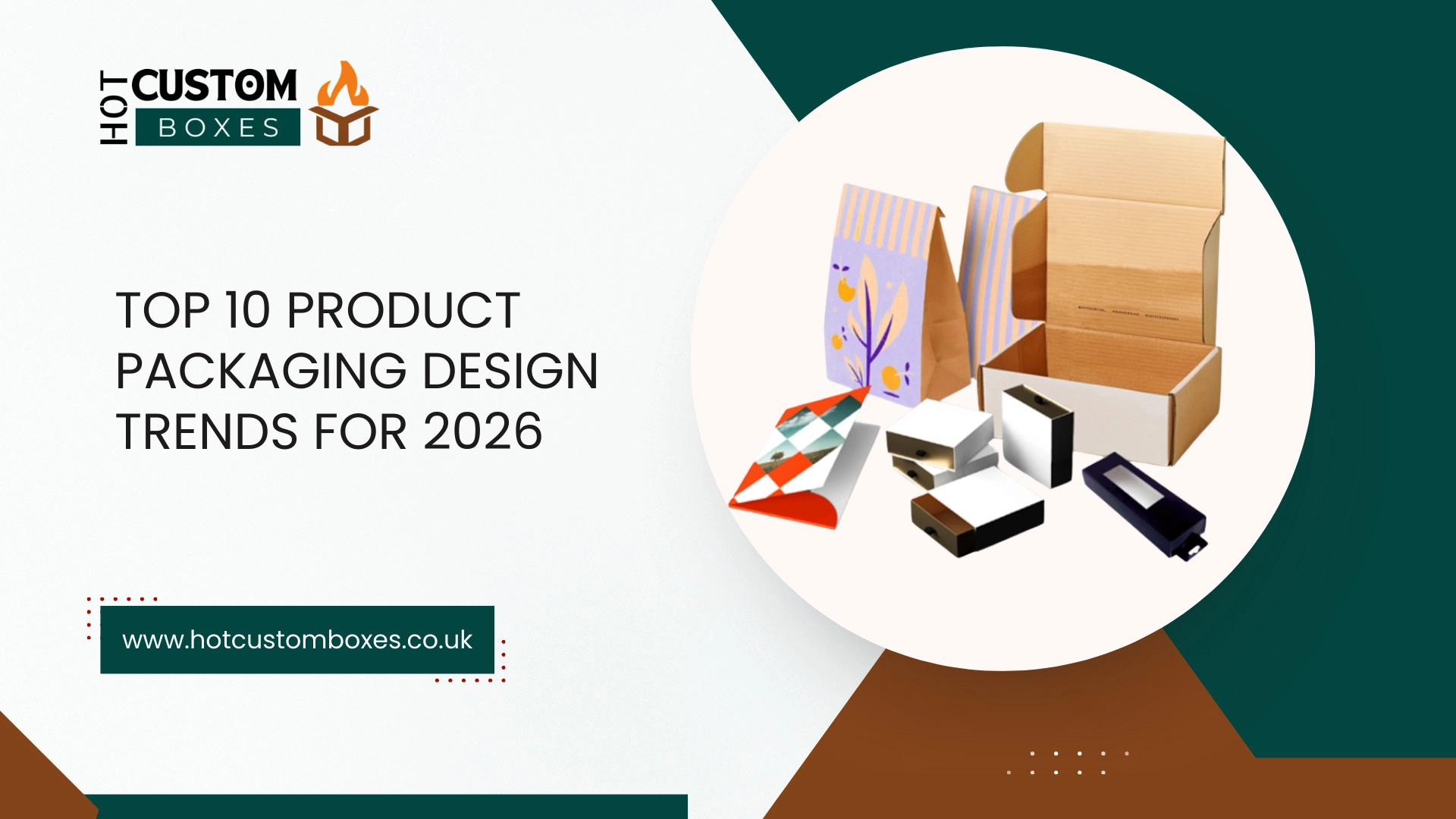
In 2026, packaging isn’t just about holding a product – it’s about storytelling, sustainability, interactivity, and making a brand instantly recognisable in crowded marketplaces. From AR experiences to bold eco-friendly moves, here’s what’s trending hard this year.
Zero-Waste Materials: The Standard, Not the Alternative
Sustainability was once a buzzword – now it’s expected. Consumers are savvy and eco-conscious, and they’re calling out brands that talk sustainability but don’t walk the talk.
Packaging designers are moving away from plastics and unrecyclable composites, favouring:
- Recycled card and paper
- Compostable protective inserts
- Water-soluble films
- Mushroom-based packaging foams
Smart Packaging - Interactivity Meets Utility
Gone are the days when packaging was just a box and a logo. Smart packaging in 2026 is interactive, informative, and enhances consumer experience.
Think:
- QR codes that unlock product stories, specs, or tutorials
- NFC tags linking straight to brand loyalty programmes
- Temperature or freshness indicators
- AR experiences that animate packaging when scanned
Bold Typography: Say It Loud, Say It Clear
Typography has moved to the forefront of packaging design. Minimalism still has its place, but bold, expressive typefaces that communicate brand ethos at a glance are dominating shelves.
Trend cues include:
- Oversized product names
- Creative hierarchy that reads like a headline
- Hand-drawn lettering
- Confident type placements that don’t apologise
Minimalist But Impactful Graphics
Minimal doesn’t mean boring. In 2026, minimal packaging has purpose and punch. Big white spaces, strategic use of colour, and crisp icons make a product feel premium and intentional.
Key features:
- Simple icon sets instead of blocks of text
- One dominant colour paired with monochrome accents
- Thoughtful use of negative space
- Clean, modern layouts that echo digital UI
Adaptive Packaging for Omni-Channel Retail
Here’s the reality: customers interact with your brand in many places – online stores, mobile apps, pop-up shops, and physical retail aisles. Packaging must adapt.
Adaptive packaging means:
- Consistent branding across formats
- Versions optimised for e-commerce shipping (protective but lightweight)
- Retail variants that pop on shelves
- Packaging that performs well on camera and in person
Personalised Packaging: Customisation at Scale
Data meets design in 2026. Personalised packaging isn’t just a high-end gimmick – it’s becoming an expectation, especially for direct-to-consumer brands.
Examples include:
- Printing customer names on packages
- Tailoring colours and messages to segments based on purchase history
- Limited edition design runs for loyalty members
- Variable codes or art based on region or demographic trends
Tactile Experiences: From Flat to Feel
Visual appeal is one thing – tactile appeal is another. The feel of packaging can make or break the unboxing experience.
This year we’re seeing:
- Embossed or debossed logos
- Soft-touch coatings
- Texture gradients on sleeves and lids
- Mixed materials for sensory richness
Brand Transparency Through Design
Today’s consumers are inquisitive and sceptical. They want to know what’s inside AND what’s outside.
Packaging is becoming a vehicle for transparency:
- Visible product windows
- Ingredient breakdowns front and centre
- Clear sustainability badges
- Process stories told through design
This isn’t about plastering claims everywhere – it’s about meaningful honesty in how products position themselves.
Brands that embed transparency into packaging design earn trust, and trust drives conversions.
Cultural Connection: Telling Stories That Resonate
2026 packaging is personal, not generic. Brands are leaning into cultural narratives, heritage art, local materials, and storytelling that reflects shared values.
This trend includes:
- Collaborations with local artists
- Designs inspired by community roots or regional aesthetics
- Packaging narratives grounded in history or social causes
- Inclusive representation in imagery and copy
Circular Economy Packaging: Beyond Recycling
Recycling is only step one. In 2026, packaging design is evolving toward reuse, refill, repurpose models.
Think:
- Packaging that converts into storage
- Containers designed for long-term use
- Refillable pods or cartridges
- Return and reuse systems with incentives
- Brands are designing packaging life cycles, not just products.
- Customers increasingly want to feel like they’re part of a sustainable system – not just dumping into one.
What These Trends Mean for Your Brand
At a strategic level, these trends are more than aesthetics – they reflect changing consumer expectations:
- Experience over commodity
- Purpose over decoration
- Interaction over static design
- Connection over transaction
Products aren’t just sold anymore – they’re lived. Packaging is the handshake, the first impression, and often the lasting memory. Brands that lean into these trends thoughtfully will outpace competitors and create real loyalty loops.
Boost Your Brand with Hot Custom Boxes UK!
If you’re ready to transform your packaging game and lead with designs that resonate, Hot Custom Boxes UK is your partner in innovation. Let’s build packaging that not only protects your product – it elevates your brand.